At a glanceExisting decipherment · partial (27% of the cipher)
- The letters
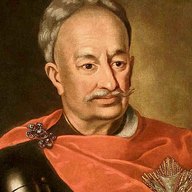
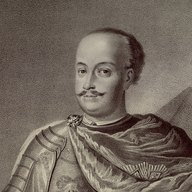
- Stanisław Chomentowski, voivode of Mazovia and Polish envoy at the Porte, to Hetman Adam Mikołaj Sieniawski: Adrianople 9 May 1713, an undated letter of 1713, and (probably his) a letter from Constantinople of May–August 1714.
- Where
- Archiwum Narodowe w Krakowie, Zbiór Dzieduszyckich 24/11 no. 116 (DECODE R7484, R7485, catalogued “Krakow_UNK_3/4” with no shelfmark) and 26/32 nr 13 pp. 31–34 (R7476).
- The cipher
- Three-digit numbers for syllables, in alphabetical bands (a 6–8, b 14–21 … z 320–333), names heading their band (Cesarz 42, Moskwa 160, Turcy 271), mixed with clear Polish.
- How it was deciphered
- A second hand glossed the numbers syllable by syllable between the lines, and on R7485 also wrote the passage out in clear. The glosses were transcribed and checked number by number; the faint ones of R7476 were re-read at high contrast.
- What it says
- The Seraskier and the Khan, the road to Bender, the hospodar of Wallachia: “Seraskierowi Turcy wierzyc nie chcą i Han[o]wi”.
- Still open
- R7476 as a whole: about forty doubtful words under glosses unreadable on the DECODE images, so it is decoded, not read; 83 of its tokens give no word. In R7484, 18 tokens in three short passages; the faint clear body of R7485.
DECODE catalogues these records with letters in other keys, which have their own pages (a different cipher in each): Brâncoveanu and Cantacuzino (sieniawski1708), news from Bender in 1709 (turculet1709), an adviser’s letter (r7475) and a Vienna agent to Baron Schenck (schenck1706).
01 The letters
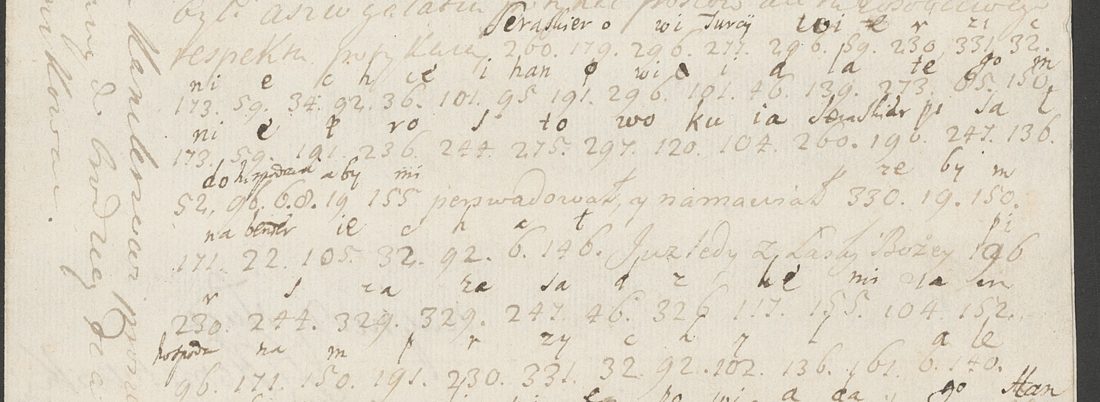
R7484 and R7485 are one archival unit, Zbiór Dzieduszyckich 24/11 no. 116 (the archive wrapper gives it; DECODE has “Krakow_UNK_3/4”). R7484 is dated Adrianople, 9 May 1713. R7485 is undated; its cipher passage is written out in clear at the head of the page by the hand that glossed it. In the writer’s spelling, as the figures carry it (restored on 23 October 2026 from a modernised version; slips in brackets): “Seraskierowi Turcy wierzyc nie chcą i Han[o]wi, i dla tego mnie prosto wo[ła]ia. Seraskier pisał do hospodara, aby mi perswadował, y namawiał, zebym na Bender iechał.”
R7476 (nr 13 pp. 31–34) was bound with the Brâncoveanu letters. Code XVIII is glossed Hospodar Multański, Brâncoveanu, who was held in Yedikule from April 1714, so the letter is of May–August 1714, from Constantinople. Its partial reading, in the writer’s spelling since 23 October 2026, has “on z tod nie ruszy, puki m[u] Porta nie da takiego konwoiu”, “z listu przeietego” and “sołtan gałga uciekł do Czerkies”, but about forty words of pp. 31–32 are doubtful, under glosses that cannot be read at three to three and a half times on the DECODE images: R7476 is decoded, not read (explicit-hole share 0.524, below the bar once the doubtful words count as holes).
02 The syllabary, and the checks
The syllabary was rebuilt from the glosses of the three letters. Its numbers run in alphabetical bands, and the names of persons and powers stand at the head of their letter’s band (Cesarz 42 among the c’s, Moskwa 160, Turcy 271), so a number whose gloss is lost can be bounded by its neighbours.
- R7485: 96 of 96 tokens give sense; measured on the words of the reading, the letter builds coherent sentences but reads at 88.8%, under the 95% bar. The faint clear body of pp. 115–117 is transcribed only in part.
- R7484: 495 of 513 (96.5%; three clear date figures taken out of the count); measured on the words of the reading, it builds coherent sentences but reads at 91.6%, under the 95% bar. Code 76 is ferman (two glosses, the f band, and R7476’s “dano ferman”); slips settled (191 for 181 in Hanowi; 160 is Moskwa, not 169).
- R7476: 1,538 of 1,621 tokens have a value (94.9%), but the reading does not hold as sentences (above). Its glosses are faint. They were re-read at high contrast, the bad stretches re-transcribed digit by digit at 2.5–3 times (this hand closes its 7 like a 4), candidate words scored against a Polish model and checked against the code’s bands, and names checked against Perłakowski’s study of the embassy (Jan Spiegel, “Pan Szpigieł”; Franciszek Goltz). Codes 135 Kanclerz, 215 Porta, 280 u and 310 x were added.
03 What remains uncertain
- R7476 is decoded, not read: about forty [?word]s on p. 31 lines 19–34 and p. 32 lines 9–36 sit under glosses unreadable at three to three and a half times. Of its 1,621 tokens, 83 give no word: 67 whose syllables are known from gloss or code but form no word after seven passes, 8 in names not identified (code 216, glossed “Pułta”), five one-off codes with no gloss (2, 224, 266, 299 twice), three illegible.
- The readings of R7484 and R7485 were in modernised Polish until 23 October 2026; they now give each word as its figures carry it (mowio, widzoc, bedoc), with the encipherer’s slips emended in brackets. R7484: 18 of 513 tokens unread, in three short passages whose syllables are certain but whose words are not recovered (“umowi-ia t-r-ze-y s-za psuje”), and code 112, whose gloss is a flourish.
- R7476 is ascribed to Chomentowski by its content and code, not by a signature.
Full texts
The transcription and the decryption of every document on this page, so that the reading can be used and checked. Short files are shown here; all are in the repository.
R7476, Constantinople, May-August 1714 (by content) decoded, not read
Probably Chomentowski to Hetman Sieniawski from Constantinople, dated May-August 1714 because code XVIII is glossed Hospodar Multański (Brâncoveanu, held in Yedikule from April 1714). New passages include "on z tąd nie ruszy, póki mu Porta nie da takiego konwoju", "z listu przejętego", "sołtan gałga uciekł do Czerkies" and "donieść Jmci Panu Kanclerzowi Koronnemu".
A mechanical decode with holes in most sentences: shown so that the transcription and the key can be checked and improved, not as a reading.
Transcription: R7476.txt
Decryption: R7476_reading.txt
Reading: R7476_reading.txt
Translation
# R7476 - English translation (probably Chomentowski to Hetman Sieniawski, Constantinople, May-August 1714)

Translation of `R7476_reading.txt` (the reading in the writer's spelling, 23 Oct 2026). Same holes: [...] = unread
figures; [?word] = a doubtful word, translated as the reading proposes it; [word] = supplied. Modern Polish forms are
given only here, in brackets where they help.

## Translation

p. 31
One cannot [?understand] what they are keeping us for and do not dispatch us, nor give us the freedom that was granted,
nor the meetings with the envoys, nor the visits that are due. Although I lately sent presents to the vizier and his
kehaya, the vizier received them gratefully and declared that the dispatch will come, [?that] we will not be kept
long; but I know [better]. To [?pay] visits to Their Graces the envoys residing at Galata they cannot [?allow]; they did
allow it indeed, but on condition that a memorial be handed in for each visit, which we could not accept for two
reasons. First, that they could allow one and not another, and so make a difference without it; second, that we could
by no means allow this prejudice. Better that it remain their courtesy than our condescension. [?Our detention],
moreover, [comes from this], that they fear [?] - [?lest] it come from this - that they want to [?press] Your Grace's
passage of the King of Sweden, and to keep us here as a pledge. But it seems to me that if [?] the Turks had sent to
Your Grace about the treaty, it [?cannot be known], [?without] the [?commissioners] not seeing the treaty from the Porte,
which is to be in the envoys' hands; secondly, not being secure of the friendship of the Porte, since with these
documents I do not see the envoy, and such [...] you give me, Your Grace, [...] [?quicker] for their service, haste,
and not [?having] [...] anyone [...] and dared. To be informed more fully [...] [?Istanbul] [...]; I may have [?word]
[?information] that the Porte [?is sending] to the King of Sweden, letting [?me] know that it has finished with me;
and when [he says] that he wants to move from here, this bad lord [answered] that on

p. 32
himself and his realm it would fall to answer, that [...] he will not stir from here until the Porte gives him such a
convoy that he may return safely with it through Poland to his own states. I believe that the removal [of ...] helped
our [?solicitations] not a little, that the rebellion [comes] from here, since a few days ago an order was given to
[...] that he should leave here [?]; for his labour they gave [?him] three hundred [?lion-thalers] for the road, and a
[?firman] was given that [...] should also leave [...] the Khan [...]. Whether they will give them anything is
impossible to find out; but as soon as I learn, I will let you know. We have news from an intercepted letter that
Stanisław will make his way [?to his own people], and [...] to Your Grace a few weeks ago his plenipotentiary [...]
solicited me for an amnesty, and I did not refuse to give it [?] with a certain assurance, which he refused. Now,
after the business was concluded, when he insisted and [?promised] [?to give] [?an assurance], they have no [...] for
that, when the Tatars at Wa[...] [?answered] and promised, there [?is] [?delay] [...], and no carts were given me to
Chocim; it has not gone and will not go; besides, what [...] wrote to me [...] from [...] yet three weeks ago a
[?thousand] Tatars went there towards Muscovy; and further [...] they crossed [with] the son of Devlet Giray Khan; the
kalga sultan fled to the Circassians, and there with the Nogais [?and] the Circassians plundered around the Don, and
two [?ships] of captives

p. 33
were brought in, but the Muscovites keep a great secret of it before us. The fleet put out these days, somewhat larger
than usual, yet not well [...] composed: of eleven great ships, four [?frigates] and about thirty galleys. Of the
galleys some are to go to the Black Sea, to Azov, [...] went. A week tomorrow since he made his entry; today he is to
have [?an audience] with the vizier [...]. We shall see what comes of it, for the Turks are sharpening their teeth on
them, demanding for some goods a hundred and some tens of thalers in Istanbul; and the King of Sweden's creditors keep
pressing him for money, for it is incredible what he owes to private persons, and the bill merchants will not pay
unless he leaves here, saying that they have such an order from their correspondents; but he pays no heed to that and
sits here firmly. I beg Your Grace to report all this at once to His Grace the Lord Crown Chancellor; they wanted
[...] us to send someone on purpose, but I answered that I would myself have nothing to come with when I announced it;
but, all things considered, I think that even [...] himself [...] will not linger. Mr Spiegel left today; what he did
here is hard to write, enough that little of all the King's [?affairs] [?misfortunes] [...]; but we recovered [it]
through His Grace the secretary. The Khan's vizier left today, they say for the King of Sweden. We shall see what comes
of it.

p. 34
The hospodar of Wallachia has been brought here and shut up in Yedikule on old suspicions about Muscovy and other
things, such as the failure to deliver provisions to Chocim; but the present one is not to be against our interests.
And [?him] they have got out of a hard prison, and there is hope that he will come back; the Sultan's mother is
pressing for him most urgently. [?That apostate], I beg, should be in just [custody] and [...] brought [...], for I
have just documents against him, and I do not fear his memorial here.
R7484, Adrianople, 9 May 1713 read in part
Chomentowski, voivode of Mazovia and Polish envoy at the Porte, to Hetman Sieniawski: the Kapudan Pasha, made vizier, began to change course; a public divan on 24 April declared war sub ignoto nomine, with fear of a march on Chocim and the envoys sent to Yedikule; on the 26th the vizier was deposed and strangled, so things are in confusion.
Builds coherent sentences, but under the read bar of 95% of words read as sense (92% here); the holes are marked in the reading.
Transcription
R7484 (DECODE "Krakow_UNK_3") -- Stanisław Chomentowski, wojewoda mazowiecki, Polish envoy to the Porte, to Hetman
Adam Mikołaj Sieniawski, Adrianople, 9 May 1713. Not in Kaczka (Kaczka cites only Brâncoveanu's letters TO
Chomentowski). Archive foliation 111-114; old no. "Nr 124 116".
Images: P1 = p. 111 (superscription "Monseigneur", then the letter: clear Polish with a 3-digit syllabic code);
P4 = pp. 112-113 (letter continued, mostly code, signed, dated "w Adrynopolu 9 Maja 1713"); P2 = p. 114, address
leaf, docket "9 Maj 1713 / Chomentowskiego do Sieniawskiego z Andrynopola / Listów 2 / Nr 124 116"; P3 = modern
archive wrapper: "Nr 116 / Chomentowski Stanisław / 1713 / Poseł na Porcie ... / 2 Listy Chomentowskiego do Sieniaw-
skiego. Pierwszy z Adrynopola 1713 cyfrowany pisany, drugi bez daty / II / Autogr. I / A.Dz. 24/11" (approx.).
So R7484 and R7485 are the two letters of ADzied 24/11 no. 116 (not 26/32), R7485 being "drugi bez daty".

Hands/inks: cipher and clear words in the writer's brown ink; interlinear syllable-by-syllable decipherment above
nearly every number in a second hand (smaller, slightly darker). Code numbers 1-~350, dot-separated.
Format: C = numbers as written (clear words in quotes); G = interlinear gloss as written, one item per number,
"[?]" unreadable, "-" no gloss.

== p. 111 (P1), crops img/crop/sien_R7484_p1_0..4.jpg ==
L1 C: "Pisałem do WMM Pana w ostatnim" 171. 303. 141. 244. 37.
   G: na weden[?] li s cie
L2 C: 59. 330. 276. 38. 233. 326. 174. 295. 179. 46. 155. 6. 173. 197.
   G: e że tu co ra[za?] z no we o d mi a ny po
L3 C: 244. 272. 296. 179. 172. 46. 331. 249. 8. 101. 284. 156. 296. 100.
   G: s ta wi o ne d zi si a y u mo wi ą[?]
L4 C: 269. 230. 330. 102. 244. 329. 191. 251. 105. 234. 350. 133.
   G: t r że y s za p su ie re so lu
L5 C: 274. 7. 116. 196. 272. 160. 17. 244. 329. 332. 244. 272. 291.
   G: ty a ka pi ta n ba s za to s ta wi
L6 C: 245. 331. 300. 60. 150. 155. 59. 173. 32. 249. 59. 197. 34. 332.
   G: s zy wezyr e m mi e ni c si e po c zę
L7 C: 136. 105. 46. 173. 156. 296. 179. 330. 273. 233. 326. 171. 156.
   G: ł ie d ni mo wi ą że te ra z na mo
L8 C: 296. 101. 173. 40. 230. 204. 47. 331. 330. 105. 244. 326.
   G: wi o[?] ny d r u d zy że ie s z
L9 C: 33. 330. 241. 253. 61. "mając bowiem" 119. 169. 71. 50. 170.
   G: c że w Stambu le ... ko n fi de n
L10 C: 274. 179. 272. 76. 6. 155. 275. 244. 71. 46. 174. "być mogło."
   G: ti a ta[?] rmana[?] a mi to s fi d no
L11 C: "Sędzio[?]" 173. 19. 171. 296. 331. 273. 52. 117. 230. 139. 252. 326.
   G: ni by na wi zy te do k ro la Szwedz ki[?]
L12 C: 116. 60. 85. 6. 140. 330. 173. 59. 32. 92. 37. 7. 137. 19. 40.
   G: ki e go a le że ni e c h cia - ł by d
L13 C: 327. 204. 173. 60. 85. "tylko" 101. 169. 142. 30. 273. 230.
   G: z u ni e go ... i n lo co te r
L14 C: 274. 179. 197. 291. 236. 37. 136. 173. 60. 296. 46. 326.
   G: ti o po two ro ci ł ni e wi d z
Reading p. 111 (approx.): "Pisałem do WMM Pana w ostatnim na [jeden?] liście, że tu co raz nowe odmiany postawione
dzisiay; [u?] mówią ... trzeży(?) się za psuie resolucya; kapitan basza stawi się z wezyrem (300 = wezyr on R7476), mieni się poczęł[o];
iedni mówią, że teraz na mówiony(?), drudzy, że ieszcze w Stambule. Mając bowiem konfidencyą [z] tłumaczem(?) ...
mi to sfidno(?) być mogło. Sędzio[wie?] niby na wizytę do króla szwedzkiego, ale że nie chciał być [a]dź(?) u niego,
tylko interlocutio powrócił; nie widz..." (to be checked against pp. 112-113).
p. 111: 168 cipher tokens, 167 glossed.

== p. 112 (P4 left half), crops img/crop/sien_R7484_p4_00..03.jpg ==
L1 C: 179. 32. 249. 6. 326. 121. 59. 151. 46. 237. 84. 59. 85. 46. 173. 6.
   G: ą c si e[?] z król e m d ru gi e go d ni a        (gloss "e" over 6; gloss for 151 placed as "-", 151=m from L11)
L2 C: 197. 274. 150. 8. 24[ta]. 8. 191. 235. 141. 244. 51. 294. 160. 190.
   G: po ty m D[?] [24ta] a p r li s di wa n pu      ("potym 24ta Aprilis diwan pu-")
L3 C: 14. 141. 32. 326. 173. 155. 6. 136. 171. 114. 275. 235. 150. 297.
   G: b li c z ny mi a ł na k to ry m wo
L4 C: 101. 172. 251. 214. 101. 79. 174. 275. 174. 155. 172. "opowie:"
   G: y ne su b i g no to no mi ne
L5 C: "dziano z kąd" 174. 160. 204. 7. 175. 244. 171. 171. 204. 154.
   G: no n u a nu s na na s[?] me
L6 C: 276. 244. 104. 119. 244. 326. 120. 34. 92. 179. 37. 156. 291.
   G: tu s ia ko s z ku c h o ci mo wi
L7 C: 179. 114. 236. 37. 33. 249. 59. 155. 8. 128. 6. 171. 244. 52.
   G: o b[?] ro ci c si e mi a ł a na s do
L8 C: 105. 51. 120. 141. 244. 272. 174. 293. 245. 331. 204. 44.
   G: ie di ku ły s ta n w s zy u[?] Chocim
L9 C: 104. "chciał." 191. 230. 331. 157. 249. 32. 239. 8. 40. 7. 79.
   G: ia ... p r zy mu si c Szweda[?] a d a g
L10 C: 174. 244. 36. 169. 53. 150. 256. 7. "Albo" 59. 141. 83. 170.
   G: no s ce n du m Stanisław a ... e li ge n
L11 C: 53. 150. 273. 230. 274. 206. 151. 121. 8. 9. 173. 59. 32. 92.
   G: du m te r ti u m Krol a August ni e c h
L12 C: 30. 33. 154. 275. 197. 178. 160. 274. 59. 83. 230. 153. 177.
   G: ą c me to po ni n ti e ge r ma ni
L13 C: 36. "y" 119. 136. 130. 103. 82. 274. 101. 156. 244. 110. 59.
   G: ce ... ko ł l i ga ti y mo s ki e
L14 C: 294. 244. 110. 30. 101. 151. 76. 101. 294. 19. 104. 107. 284.
   G: wo[?] s ki co[?] ł[?] m Hanskie[?] i w bi ia ią u
L15 C: 32. 331. 173. 179. 171. "była y" 156. 46. 141. 269. 244. 171.
   G: c zy ni o ne ... mo d li t[w] [?] na
Reading p. 112 (approx.): "...[widz]ąc się z królem. Drugiego dnia potym, 24ta Aprilis, diwan publiczny miał, na którym
woynę sub ignoto nomine opowie[dziano]; z kąd non vanus(?) na nas metus(?). Iako się z Kuchoci[m]... Chocimowi
obrócić się miała, a nas do Jedykuły [?] ... u Chocim ... chciał przymusić Szweda ad agnoscendum Stanisława albo
eligendum tertium. Króla Augusta nie chcąc metu potentiae Germaniae y koligaty y moskiewskiej ... w[?] ... u-
czyniona była y modlitwa na ..."

== p. 113 (P4 right half), crops img/crop/sien_R7484_p4_10..13.jpg ==
L1 C: 297. 101. 172. 226[ta]. 273. 160. 330. 309. 19. 52. 32. 204. 42.
   G: wo i ne - te n że wezyr be dą c u Cesar[za]
L2 C: 326. 230. 333. 30. 173. 101. 204. 53. 244. 332. 178. "dla czego"
   G: że r zu co ny y u du s zo ny
L3 C: 52. 275. 46. 230. 330. 84. 331. 101. 160. 30. 170. 78. 250. "y"
   G: do tą d r że c zy i n co n fu so
L4 C: 143. 20. 244. 197. 46. 331. 294. 155. 249. 59. 330. 171. 244. 330.
   G: lu bo s po d zi wa my si e że na s że
L5 C: 230. 330. 33. 331. 52. 14. 230. 330. 297. 101. 52. "gdyż" 112. 253.
   G: r że c zy do b r że po[wo?] y d ... w_morzu[?] Stambuł
L6 C: 244. 37. 34. 297. 119. 294. 173. 105. 47. 171. 114. 326. 171. 155.
   G: s ci c wo ko wa ni ie d na k z na mi
L7 C: 329. 40. 172. 101. 119. 170. 114. 143. 331. 101. 173. 59. 153. 107. 330.
   G: za d ne y ko n k lu zy i ni e ma ią że
L8 C: 155. 59. 32. 249. 59. 269. 230. 330. 17. 171. 179. 244. 269. 236.
   G: mi e c si e t r ze ba na o s t ro
L9 C: 326. 174. 244. 337. "WMM Panu iednak" 330. 19. 169. 291.
   G: ż no s ci[?] ... że by Mos[?] kwa[?]
L10 C: 197. 130. 244. 326. 32. 330. 173. 60. 19. 139. 6. 311. 171. 244.
   G: po l s z c ze ni e by ła a woysko[?] na[?] s
L11 C: 330. 173. 59. 14. 141. 244. 119. 79. 293. 173. 37. 121. "JMC" 330.
   G: że ni e b li s ko g ra ni cy Krol ... że
L12 C: 19. 326. 197. 136. 244. 118. 173. 59. 179. 46. 105. 226.
   G: by z po ł s ki ni e o d ie ż
L13 C: 46. 329. 136. "Sam czas dowiedzie[?] upragniony ... personaliter ... zostaję WMM Pana y Dobrodzieia najniższy sługa
     Chomentowski. W Andryanopolu d. 9 Maj 1713"
   G: d za ł
Reading p. 113 (approx.): "...woynę; teraz ten, że wezyr będąc u Cesarza, że rzucony y uduszony, dla czego dotąd
rzeczy in confuso; y lubo się podziwiamy, że nas że rzeczy dobrze póydą, gdyż w morzu(?) Stambuł ... się ściąg[a]
woysko(?), wanie(?) iednak z nami żadney konkluzyi nie maią, że mieć się trzeba na ostrożności WMM Panu; iednak żeby
Moskwa(?) w Polszcze nie była, a woysko ... że nie blisko granicy, Król JMC żeby z Polski nie odieżdżał. Sam czas ..."

== Totals R7484 ==
Cipher tokens (counted from this file): p. 111 168; p. 112 191; p. 113 157; total 516 (including the date figures
"8." and "24" on p. 112 L2). Tokens with a written interlinear gloss: 513 (99.4%); unglossed: 226 on p. 113 L1,
the date figures, and one misplaced gloss on p. 112 L1.
All values are in sien/syllabary.tsv. Glossing is syllable-by-syllable; the glosser occasionally mis-places
glosses by one position (e.g. p. 112 L1 "królem").

Summary: Chomentowski, Polish envoy at the Porte, writes from Adrianople on 9 May 1713. The Porte held a public divan
on 24 April at which war was declared "sub ignoto nomine"; the envoys feared being sent to the Yedikule; the Turks
wanted to force the Swedish king to recognise Stanisław or elect a third candidate, not wishing Augustus out of fear of
the German and Muscovite alliance; someone "being with the Sultan" (wezyr ... u Cesarza) was thrown down and strangled (reading of p. 113 L1-L2 uncertain); nothing is
settled, so the Hetman must be on guard; the Muscovite troops should not be in Poland and the King should not leave
Poland.
Decryption
R7484 - reading in the writer's spelling (restored 23 Oct 2026, batch r2k, from the pass-3 reading of 9 Oct 2026,
which had been put into modern Polish spelling; the modern rendering now lives only in the English file R7484_en.md).
Stanisław Chomentowski to Hetman Sieniawski, Adrianople, 9 May 1713.

Rests on: the interlinear syllable glosses of the contemporary decipherer (R7484.txt G lines), the syllabary
(syllabary.tsv) and the slips settled token by token in R7484_pass2.txt (passes 2-3), and the writer's clear words
exactly as transcribed in R7484.txt. Each word is spelt as its figures carry it: the code's value (the gloss where it
only confirms the value), the clear words letter for letter. Where the glosser normalised the writer's o for a nasal
(179 o glossed "ą", 52 do glossed "dą", 275 to glossed "tą", 332 zo glossed "zę", 30 co glossed "ą") the figure's own
value is kept: "mowio", "widzoc", "bedoc", "dotod", "poczoł", "chcoc", as R7476 writes "bawio", "chco", "z tod".
330 is "ze" (glossed "że"), as in R7476. Word division is ours. Aligned word by word with the token stream on 23 Oct
2026 (R7484_reread_log.md).

Marks: [x] = a letter or word no figure carries (supplied, or the emendation of an encipherer's slip); [?word] = a word
only partly carried or resting on a doubtful reading; [...] = unread figures whose syllables are known but form no
word found; [112] = an unidentified code. Latin kept as written. The closing formula on p. 113 is clear text in the
writer's hand, read only approximately.

## Reading

p. 111
Monseigneur.
Pisałem do WMM Pana w ostatnim na Weden liscie, ze tu co raz nowe odmiany postawione.
Dzisiay [?umowia] [...] psuie resolutya.
Kapitan basza, zostawszy wezyrem, mienic sie poczoł; iedni mowio, ze teraz namowi[o]ny, drudzy, ze ieszcze w Stambule.
Mając bowiem konfidentia [...] F[e]rmana, a mi to [...] być mogło.
[?Iezdził] niby na wizyte do krola Szwedzkiego, ale ze nie chciał bydz u niego, tylko in loco tertio, powrocił, nie

p. 112
widzoc sie z Krolem.
Drugiego dnia potym, d. 24ta Apr[i]lis, diwan publiczny miał, na ktorym woyne sub ignoto nomine opowiedziano; z kąd
non uanus na na[s] metus.
Iakosz ku Chocimowi obrocic sie miała, a nas do Iedikuli; stanowszy u Chocimia, chciał przymusic Szweda ad
agnoscendum Stanisława albo eligendum tertium, Krola August[a] nie chcoc meto po[te]ntie Germanice y kołligatiy
moskiewski, co im farman i wbiiaią.
Uczynione była y modlit[?wa] na

p. 113
woine.
26ta tenze wezyr, bedoc u Cesarz[a], zrzucony y uduszony, dla czego dotod rzeczy in confuso; y lubo spodziwamy sie,
ze nasze rzeczy dobrze [po]ydo, gdyż [112] Stambułsci [...], iednak z nami zadney konkluzyi nie maią, ze miec sie
trzeba na ostroznosci WMM Panu.
Iednak zeby Moskwa w Polszcze nie była, a woysko nasze nie blisko granicy, Krol JMC zeby z Połski nie odieżdzał.
Sam czas [?dowiedzie] upragniony [...] personaliter [...] zostaję WMM Pana y Dobrodzieia najniższy sługa Chomentowski.
W Andryanopolu d. 9 Maj 1713.

## Notes

Surplus or slipped figures (R7484_pass2.txt): p.111 L11 326 z doubled in "Szwedz-z-kiego" (left out); p.112 L5 204 u
written for 244 s in "na nas" (171 171 204: na na[s]); p.112 L12 178 ni written for te in "po[te]ntie"; p.113 L5 297 wo
written for 197 po ("[po]ydo"); p.112 L2 Apr[i]lis: the figures give a-p-r-li-s; p.111 L8 101 i glossed "o"
("namowi[o]ny"). p.112 L8 174 no glossed "n" read "stanowszy" (no, 7x), p.112 L8 141 li glossed "ły" read "Iedikuli"
(li, 7x). p.112 L14 294 read w ("moskiewski", R7484_pass2.txt item 13). Word codes: 76 ferman (glossed "Frmana",
"farman"), 112 unidentified, 121 Krol, 160 Moskwa, 239 Szweda, 253 Stambuł, 256 Stanisław, 300/309 wezyr, 311 woysko.

Open: p.111 L3-4 100 269 230 330 102 244 329 ("iu/ia t r ze y s za" after "umowi-", 7 tokens), p.111 L10 272 ("ta") and
244 71 46 174 ("s fi d no"), p.113 L5 112 (gloss a flourish, "[?]amarzine") and p.113 L6 34 297 119 294 173
("c wo ko wa ni"): 18 of 513 cipher tokens.
Reading
R7484 - reading in the writer's spelling (restored 23 Oct 2026, batch r2k, from the pass-3 reading of 9 Oct 2026,
which had been put into modern Polish spelling; the modern rendering now lives only in the English file R7484_en.md).
Stanisław Chomentowski to Hetman Sieniawski, Adrianople, 9 May 1713.

Rests on: the interlinear syllable glosses of the contemporary decipherer (R7484.txt G lines), the syllabary
(syllabary.tsv) and the slips settled token by token in R7484_pass2.txt (passes 2-3), and the writer's clear words
exactly as transcribed in R7484.txt. Each word is spelt as its figures carry it: the code's value (the gloss where it
only confirms the value), the clear words letter for letter. Where the glosser normalised the writer's o for a nasal
(179 o glossed "ą", 52 do glossed "dą", 275 to glossed "tą", 332 zo glossed "zę", 30 co glossed "ą") the figure's own
value is kept: "mowio", "widzoc", "bedoc", "dotod", "poczoł", "chcoc", as R7476 writes "bawio", "chco", "z tod".
330 is "ze" (glossed "że"), as in R7476. Word division is ours. Aligned word by word with the token stream on 23 Oct
2026 (R7484_reread_log.md).

Marks: [x] = a letter or word no figure carries (supplied, or the emendation of an encipherer's slip); [?word] = a word
only partly carried or resting on a doubtful reading; [...] = unread figures whose syllables are known but form no
word found; [112] = an unidentified code. Latin kept as written. The closing formula on p. 113 is clear text in the
writer's hand, read only approximately.

## Reading

p. 111
Monseigneur.
Pisałem do WMM Pana w ostatnim na Weden liscie, ze tu co raz nowe odmiany postawione.
Dzisiay [?umowia] [...] psuie resolutya.
Kapitan basza, zostawszy wezyrem, mienic sie poczoł; iedni mowio, ze teraz namowi[o]ny, drudzy, ze ieszcze w Stambule.
Mając bowiem konfidentia [...] F[e]rmana, a mi to [...] być mogło.
[?Iezdził] niby na wizyte do krola Szwedzkiego, ale ze nie chciał bydz u niego, tylko in loco tertio, powrocił, nie

p. 112
widzoc sie z Krolem.
Drugiego dnia potym, d. 24ta Apr[i]lis, diwan publiczny miał, na ktorym woyne sub ignoto nomine opowiedziano; z kąd
non uanus na na[s] metus.
Iakosz ku Chocimowi obrocic sie miała, a nas do Iedikuli; stanowszy u Chocimia, chciał przymusic Szweda ad
agnoscendum Stanisława albo eligendum tertium, Krola August[a] nie chcoc meto po[te]ntie Germanice y kołligatiy
moskiewski, co im farman i wbiiaią.
Uczynione była y modlit[?wa] na

p. 113
woine.
26ta tenze wezyr, bedoc u Cesarz[a], zrzucony y uduszony, dla czego dotod rzeczy in confuso; y lubo spodziwamy sie,
ze nasze rzeczy dobrze [po]ydo, gdyż [112] Stambułsci [...], iednak z nami zadney konkluzyi nie maią, ze miec sie
trzeba na ostroznosci WMM Panu.
Iednak zeby Moskwa w Polszcze nie była, a woysko nasze nie blisko granicy, Krol JMC zeby z Połski nie odieżdzał.
Sam czas [?dowiedzie] upragniony [...] personaliter [...] zostaję WMM Pana y Dobrodzieia najniższy sługa Chomentowski.
W Andryanopolu d. 9 Maj 1713.

## Notes

Surplus or slipped figures (R7484_pass2.txt): p.111 L11 326 z doubled in "Szwedz-z-kiego" (left out); p.112 L5 204 u
written for 244 s in "na nas" (171 171 204: na na[s]); p.112 L12 178 ni written for te in "po[te]ntie"; p.113 L5 297 wo
written for 197 po ("[po]ydo"); p.112 L2 Apr[i]lis: the figures give a-p-r-li-s; p.111 L8 101 i glossed "o"
("namowi[o]ny"). p.112 L8 174 no glossed "n" read "stanowszy" (no, 7x), p.112 L8 141 li glossed "ły" read "Iedikuli"
(li, 7x). p.112 L14 294 read w ("moskiewski", R7484_pass2.txt item 13). Word codes: 76 ferman (glossed "Frmana",
"farman"), 112 unidentified, 121 Krol, 160 Moskwa, 239 Szweda, 253 Stambuł, 256 Stanisław, 300/309 wezyr, 311 woysko.

Open: p.111 L3-4 100 269 230 330 102 244 329 ("iu/ia t r ze y s za" after "umowi-", 7 tokens), p.111 L10 272 ("ta") and
244 71 46 174 ("s fi d no"), p.113 L5 112 (gloss a flourish, "[?]amarzine") and p.113 L6 34 297 119 294 173
("c wo ko wa ni"): 18 of 513 cipher tokens.
Translation
# R7484 - English translation (Chomentowski to Hetman Sieniawski, Adrianople, 9 May 1713)

Translation of `R7484_reading.txt` (the reading in the writer's spelling, 23 Oct 2026). Same holes: [...] = unread
figures; [?word] = a doubtful word, translated as the reading proposes it; [word] = supplied. Modern Polish forms
(given only here): "coraz", "dzisiaj", "rezolucję", "mówią", "jeszcze", "konfidencję", "fermana", "widząc",
"Jedykuły", "stanąwszy", "chcąc", "koligacji moskiewskiej", "będąc", "dotąd", "spodziewamy się", "pójdą",
"stambulscy", "żadnej konkluzji", "ostrożności", "w Polsce", "z Polski", "odjeżdżał".

## Translation

p. 111
Monseigneur.
I wrote to Your Grace in my last letter by way of Vienna that new changes keep being made here.
Today [?they agree] [...] spoils the resolution.
The Kapudan Pasha, having become vizier, began to change; some say that he has now been talked round, others that
he is still in Istanbul.
For having confidence [...] of the ferman, and to me this [...] could be.
He [?went] as if to visit the King of Sweden, but since he did not want to be at his quarters, only in a third place,
he came back without

p. 112
seeing the King.
On the next day after, the 24th of April, he held a public divan, at which war was declared sub ignoto nomine [under
no named enemy]; whence non vanus [is] our metus [our fear is not groundless].
And so it was to turn towards Chocim, and us to the Yedikule; having halted at Chocim, he meant to force the Swede ad
agnoscendum Stanislaum [to recognise Stanisław] or eligendum tertium [to elect a third], not wanting King Augustus
for fear of the German power and the Muscovite alliance, which they also put into the ferman.
A prayer for war was also made.

p. 113
On the 26th this same vizier, while with the Sultan, was deposed and strangled, for which reason things are still
in confusion; and although we hope that our affairs will go well, since [112] the Istanbul [...], yet they have no
conclusion with us, so that Your Grace must be on guard.
Yet [it is needed] that Muscovy not be in Poland, that our army not be near the border, and that the King, His
Majesty, not leave Poland.
Time itself [?will show] the longed-for [...] personaliter [in person] [...] I remain Your Grace's and benefactor's
most humble servant Chomentowski.
At Adrianople, 9 May 1713.
R7485, undated (1713/14) read in part
Chomentowski to Sieniawski; the cipher passage is also written out in clear at the head of the page: the Turks will not believe the Seraskier and the Khan, and the Seraskier wrote to the hospodar of Wallachia to persuade the envoy to go to Bender.
Builds coherent sentences, but under the read bar of 95% of words read as sense (89% here); the holes are marked in the reading.
Transcription
R7485 (DECODE "Krakow_UNK_4") -- Stanisław Chomentowski, wojewoda mazowiecki, Polish envoy to the Porte, to Hetman
Adam Mikołaj Sieniawski, no date (1713/14, on his embassy; Bender, seraskier, khan, hospodar of Wallachia).
Archive foliation 115-118 (pencil, top right), old no. "Nr 116" (address leaf, p. 118: "Od JMci Wojewody
Mazowieckiego Chomentowskiego bez daty / Nr 124 116"). Not in Kaczka.
Images: P1 = p. 115 (letter, cipher at foot); P3 = pp. 116-117 (clear text, signed "najniższy sługa / Chomentowski"
(reading approx.), very faint, show-through); P2 = p. 118 (address/docket).
Crops: img/crop/sien_R7485_p1_a.jpg ... _d.jpg (native resolution).

Hands/inks: letter body in pale brown ink (Chomentowski's secretary) with the cipher in the same pale ink; numbers are a
3-digit syllabic code (values up to ~331) mixed with clear words. A second, darker ink has (1) written the decipherment
of the whole cipher passage out in clear at the head of p. 115 (under the salutation) and (2) glossed the numbers
syllable by syllable between the lines. The interlinear gloss and the head-of-page clear text agree.

== Head of p. 115, clear decipherment in the darker ink (as written) ==
Jasnie Oswiecony M. Dobrodzieiu  [salutation, pale ink]
Seraskierowi Turcy wierzyc nie chcą y Hanowi y dla tego mnie prosto wołaią. Seraskier pisał do Hospodara
Wołoskiego, aby mi perswadował zebym na Bender iechał. Juz tedy z łaski Bozey pierwszą zasadzkę miiam. Ho-
spodar Wołoski nam przychylny, ale

== Clear letter body (pale ink, read approximately; not ciphered) ==
"miałbym to sobie za osobliwe szczęście co moment odzywać się WMM Panu y Dobrodziejowi y w moment odbierać wszelkie
rozkazy słodkie ręki iego, iako tu stanąłem ... list posyłam WMM Panu y Dobrodziejowi ... expediowany miał mieć
audiencią u wezyra ... [?] ... respektu przy[?]" -- then the cipher passage below.

== Cipher passage, p. 115 foot (C = numbers as written; G = interlinear gloss as written, one gloss per number) ==
L1 C: (clear "...respektu przykrego"?) 260. 179. 296. 271. 296. 159. 230. 331. 32.
   G: Seraskier o wi Turcy wi e r zy c
L2 C: 173. 59. 34. 92. 36. 101. 95. 191. 296. 101. 46. 139. 273. 85. 150.
   G: ni e c h cą i han o[?] wi i d la te go m
L3 C: 173. 59. 191. 236. 244. 275. 297. 120. 104. 260. 196. 247. 136.
   G: ni e p ro s to wo ła[ku] ia Seraskier pi sa ł
L4 C: 52. 96. 6. 8. 19. 155. "perswadował, y namawiał" 330. 19. 150.
   G: do hospodar a a by mi ... ze by m
L5 C: 171. 22. 105. 32. 92. 8. 140. "Juz tedy z łaski Bozey" 190.
   G: na bender ie c h a ł ... pi
L6 C: 230. 244. 329. 329. 247. 46. 326. 117. 155. 104. 152.
   G: r s zą za sa d z kę mi ia m
L7 C: 96. 171. 150. 191. 230. 331. 32. 92. 102. 136. 161. 6. 140.
   G: hospodar na m p r zy c h y l - a le
L8 C: 59. 20. 104. 328. 141. 296. [bo?] 197. 296. 8. 49. "że" 29. 284.
   G: e bo ią z li wię[?] po wi a da go Han
L9 C: 49. 105. 52. [struck-out group] 197. 230. 274. "Hospodar JMC wierny"
   G: uda[?] ie do po r ty

Reading of L8-L9 (not in the head-of-page clear text, which stops at "ale"): "...[si]ę boią zli[?] wię[?], powiadaią,
że go Han [u]daie do Porty. Hospodar JMC wierny ..." -- i.e. the Khan denounces the hospodar to the Porte.

Counts: 96 cipher tokens; 95 carry a written interlinear gloss (99%; 161 has none, "ny" supplied from the
head-of-page clear text); L1-L7 (78 tokens) are also deciphered in clear at the head of the page. Values are collected in sien/syllabary.tsv.
Conflicts inside this page: 191 glossed "o" (Hanowi, L2) but "p" (prosto L3, przychylny L7); 140 glossed "ł"
(iechał L5) and "le" (ale L7); 6 and 8 both "a" (homophones); 49 "da" (L8) and "uda"/"da" (L9).

Summary: Chomentowski, on his way to or at Bender/Adrianople, reports that the Turks will not believe the seraskier
or the Khan and therefore summon him directly; the seraskier wrote to the hospodar of Wallachia to persuade him
to go to Bender; he has escaped the first trap; the hospodar is friendly to the Poles but the Khan denounces him to
the Porte. Undated, but on the 1712-13 embassy (Chomentowski entered Turkey 1712; R7484, the same code, is dated
Adrianople 9 May 1713).
Decryption
R7485 - reading in the writer's spelling (restored 23 Oct 2026, batch r2k, from the pass-2 reading of 9 Oct 2026,
which had been put into modern Polish spelling; the modern rendering now lives only in the English file R7485_en.md).
Chomentowski to Hetman Sieniawski, undated (1713/14), p. 115 (pp. 116-117 clear text, very faint, not read beyond the
signature).

Rests on: for the cipher passage at the foot of p. 115 (96 tokens), the interlinear syllable glosses and the clear
decipherment written by the same dark-ink hand at the head of the page (R7485.txt; the two agree), checked token by
token in R7485_pass2.txt, each word spelt as its figures carry it (code value; 330 = "ze", 296 = "wi"); for the clear
body, the writer's pale-ink words exactly as transcribed in R7485.txt, read only approximately on the DECODE image.
Word division in the cipher is ours. Aligned word by word with the token stream on 23 Oct 2026 (R7484_reread_log.md,
section R7485).

Marks: [x] = a letter or word no figure carries (supplied, or the emendation of an encipherer's slip); [?word] = a
doubtful word; [...] = unread (here only in the faint clear body, not in the cipher).

## Reading

Jasnie Oswiecony M. Dobrodzieiu,
miałbym to sobie za osobliwe szczęście co moment odzywać się WMM Panu y Dobrodziejowi y w moment odbierać wszelkie
rozkazy słodkie ręki iego.
Iako tu stanąłem [...] list posyłam WMM Panu y Dobrodziejowi [...] [?expediowany] miał mieć audiencią u wezyra [...]
respektu [?przykrego].
Seraskierowi Turcy wierzyc nie chcą i Han[o]wi, i dla tego mnie prosto wo[ła]ia.
Seraskier pisał do hospodara, aby mi perswadował, y namawiał, zebym na Bender iechał.
Juz tedy z łaski Bozey pi[e]r[w]sza zasadzkę miiam.
Hospodar nam przychylny, ale boiązliwi, [bo] powiada, ze go udaie do Porty.
Hospodar JMC wierny [...]

## Notes

Cipher passage: 96 tokens, all carried. Slips (R7485_pass2.txt): 191 p written for 181 o in "Han[o]wi"; 120 ku written
for 139 ła in "wo[ła]ia" (the clear head-text has "wołaią"); 329 za glossed "zą" in "pi[e]r[w]sza" (the figures give
pi-r-s-za; the clear head-text "pierwszą"); 59 e after 140 le in "ale" written twice (left out); 161 unglossed, "ny"
from its band and the clear head-text. "[bo]" is a clear word in the glosser's dark ink between the figures, not the
writer's. 284 u glossed "Han" by the glosser, who wrote the subject over it; the figures give "u-da-ie" (udaie); the
subject (the Khan, per the gloss) is not written. "Hospodar" (code 96) stands alone in the cipher; "Wołoski" is only in
the clear head-text.
Reading
R7485 - reading in the writer's spelling (restored 23 Oct 2026, batch r2k, from the pass-2 reading of 9 Oct 2026,
which had been put into modern Polish spelling; the modern rendering now lives only in the English file R7485_en.md).
Chomentowski to Hetman Sieniawski, undated (1713/14), p. 115 (pp. 116-117 clear text, very faint, not read beyond the
signature).

Rests on: for the cipher passage at the foot of p. 115 (96 tokens), the interlinear syllable glosses and the clear
decipherment written by the same dark-ink hand at the head of the page (R7485.txt; the two agree), checked token by
token in R7485_pass2.txt, each word spelt as its figures carry it (code value; 330 = "ze", 296 = "wi"); for the clear
body, the writer's pale-ink words exactly as transcribed in R7485.txt, read only approximately on the DECODE image.
Word division in the cipher is ours. Aligned word by word with the token stream on 23 Oct 2026 (R7484_reread_log.md,
section R7485).

Marks: [x] = a letter or word no figure carries (supplied, or the emendation of an encipherer's slip); [?word] = a
doubtful word; [...] = unread (here only in the faint clear body, not in the cipher).

## Reading

Jasnie Oswiecony M. Dobrodzieiu,
miałbym to sobie za osobliwe szczęście co moment odzywać się WMM Panu y Dobrodziejowi y w moment odbierać wszelkie
rozkazy słodkie ręki iego.
Iako tu stanąłem [...] list posyłam WMM Panu y Dobrodziejowi [...] [?expediowany] miał mieć audiencią u wezyra [...]
respektu [?przykrego].
Seraskierowi Turcy wierzyc nie chcą i Han[o]wi, i dla tego mnie prosto wo[ła]ia.
Seraskier pisał do hospodara, aby mi perswadował, y namawiał, zebym na Bender iechał.
Juz tedy z łaski Bozey pi[e]r[w]sza zasadzkę miiam.
Hospodar nam przychylny, ale boiązliwi, [bo] powiada, ze go udaie do Porty.
Hospodar JMC wierny [...]

## Notes

Cipher passage: 96 tokens, all carried. Slips (R7485_pass2.txt): 191 p written for 181 o in "Han[o]wi"; 120 ku written
for 139 ła in "wo[ła]ia" (the clear head-text has "wołaią"); 329 za glossed "zą" in "pi[e]r[w]sza" (the figures give
pi-r-s-za; the clear head-text "pierwszą"); 59 e after 140 le in "ale" written twice (left out); 161 unglossed, "ny"
from its band and the clear head-text. "[bo]" is a clear word in the glosser's dark ink between the figures, not the
writer's. 284 u glossed "Han" by the glosser, who wrote the subject over it; the figures give "u-da-ie" (udaie); the
subject (the Khan, per the gloss) is not written. "Hospodar" (code 96) stands alone in the cipher; "Wołoski" is only in
the clear head-text.
Translation
# R7485 - English translation (Chomentowski to Hetman Sieniawski, undated, 1713/14)

Translation of `R7485_reading.txt` (the reading in the writer's spelling, 23 Oct 2026). Same holes: [...] = unread
(in the faint clear body only); [?word] = doubtful; [word] = supplied. Modern Polish forms (given only here): "chcą i
Hanowi", "wołają", "żebym", "jechał", "pierwszą zasadzkę mijam", "bojaźliwy", "udaje".

## Translation

Most Illustrious Lord and Benefactor,
I would count it a singular happiness to write to Your Grace and benefactor at every moment and at every moment to
receive every command of your kind hand.
As soon as I arrived here [...] I send Your Grace and benefactor a letter [...] [?dispatched] was to have an audience
with the vizier [...] [?unpleasant] respect.
The Turks will not believe the Seraskier, nor the Khan, and so they summon me directly.
The Seraskier wrote to the hospodar [of Wallachia] to persuade me, and urge me, to go to Bender.
So by God's grace I am now past the first trap.
The hospodar is well disposed to us, but timid, [for] he says that [the Khan] denounces him to the Porte.
The hospodar, His Grace, faithful [...]
04 Sources
- Archiwum Narodowe w Krakowie, Zbiór Dzieduszyckich 24/11 no. 116 and 26/32 nr 13: DECODE R7484, R7485, R7476.
- Not printed by M. W. Kaczka (Danubius XXX, 2012).
- Perłakowski (2020) on the Chomentowski embassy, used for names.
Transcriptions, the passes and the syllabary are in targets/chomentowski1713/.